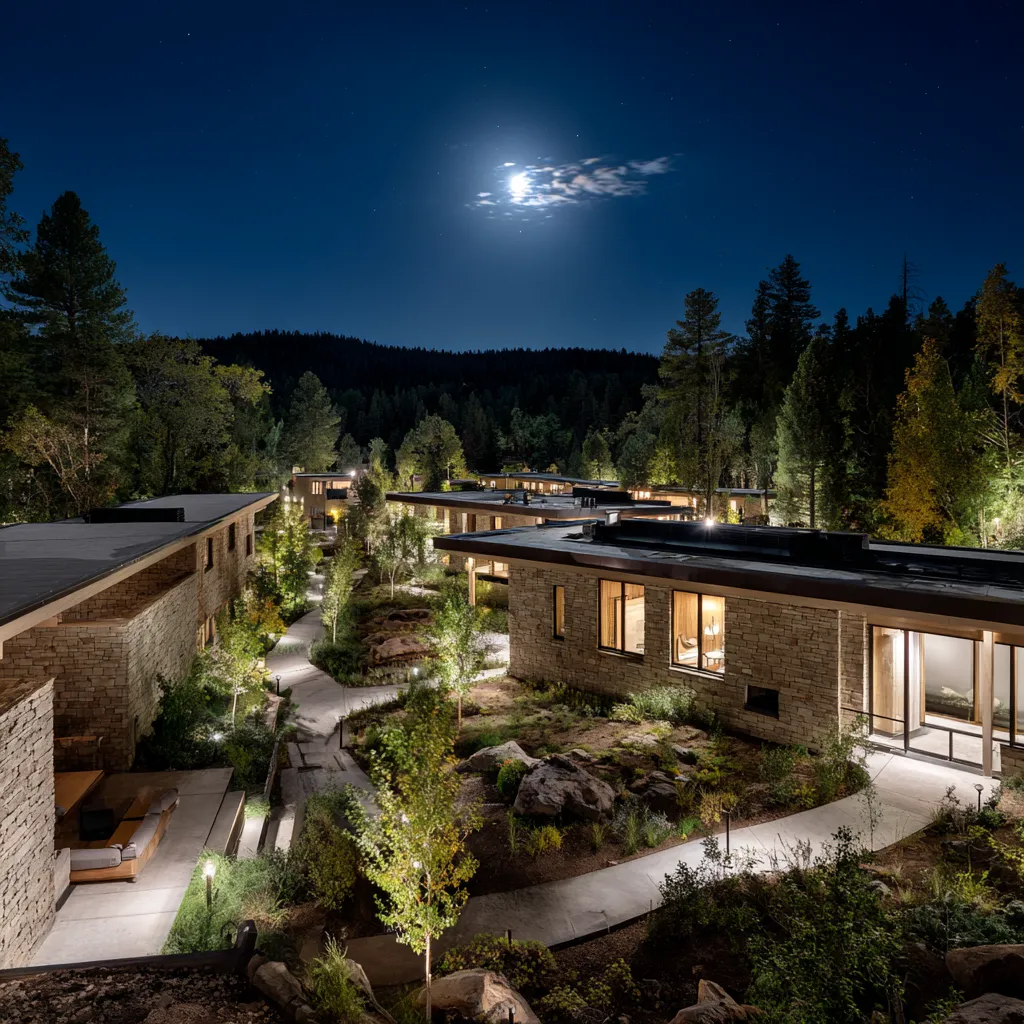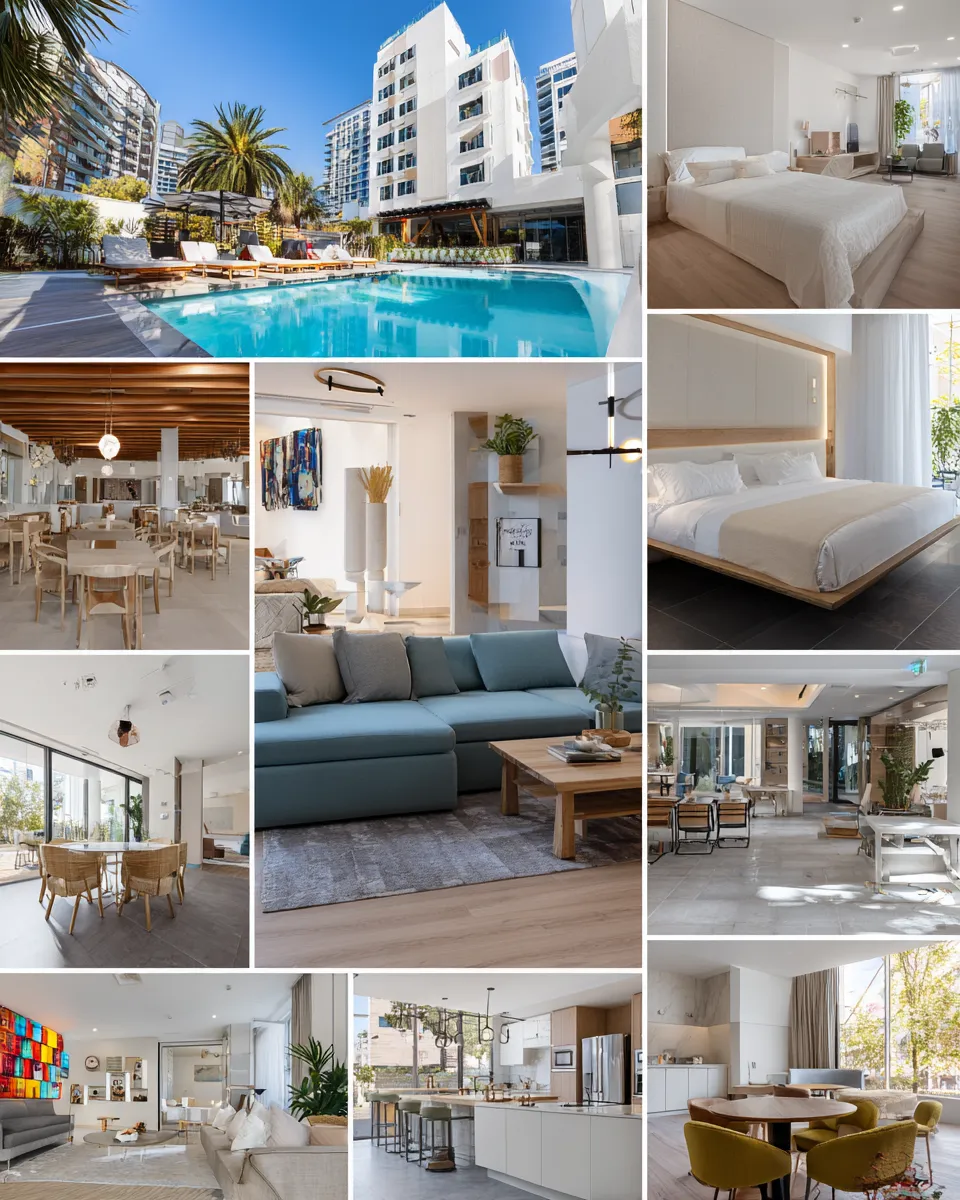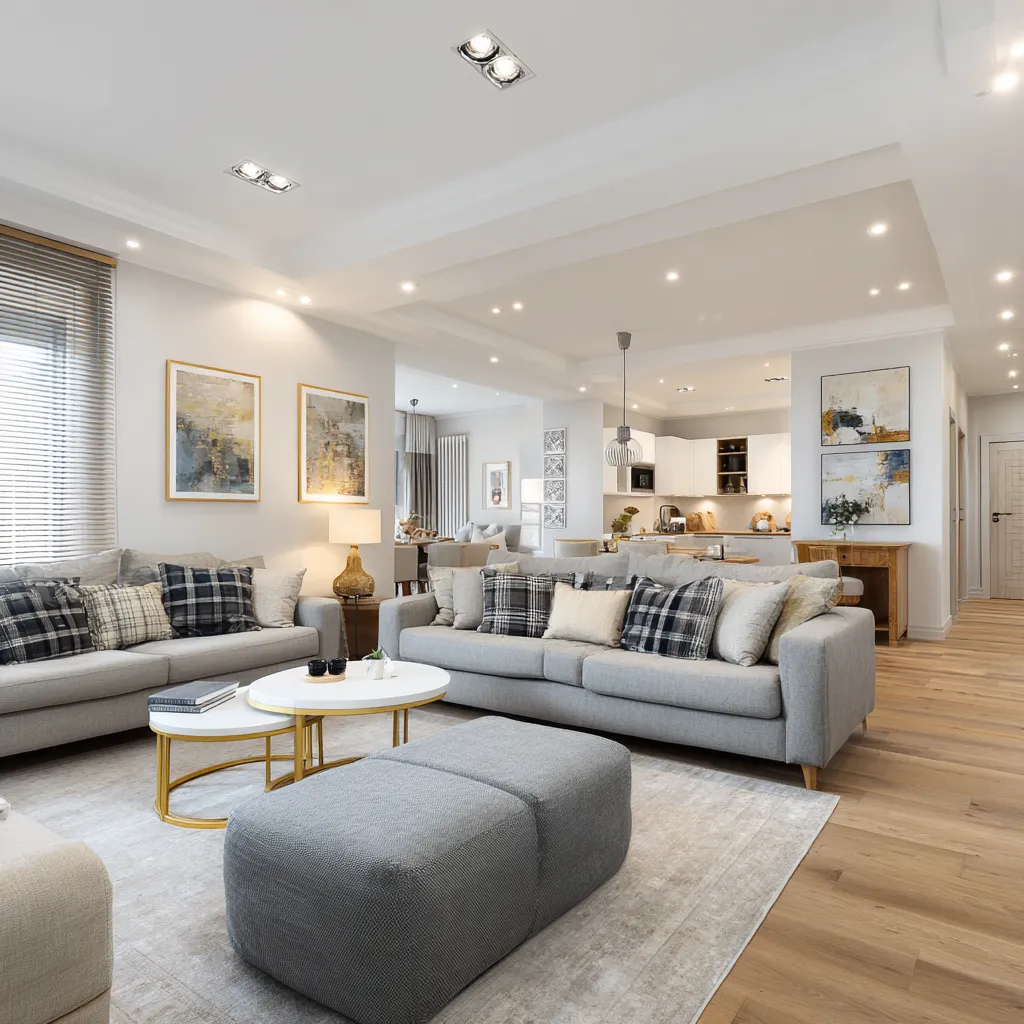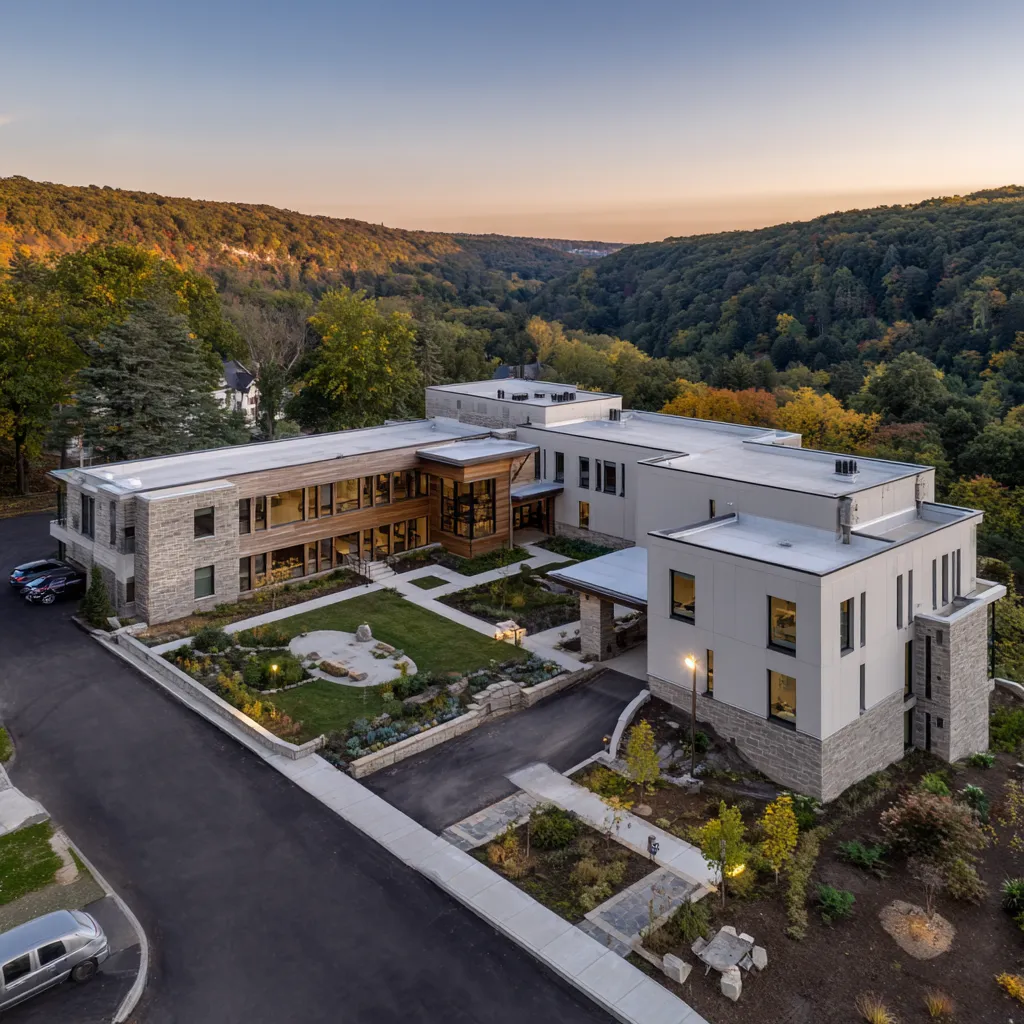
At RBH Rehab, we offer a full continuum of care to support every stage of recovery. Our programs are designed by experienced clinicians and personalized to meet individual needs.
Medical Detox
Medical detox at RBH Rehab runs three to seven days in a dedicated wing of the East 3rd Avenue campus, with a physician on site daily and nurses on the wing around the clock. We accept detox admissions at any hour. A nurse completes vitals and comfort medication within the first twenty minutes of arrival; the intake paperwork waits.
Our protocols cover alcohol, opioids (including fentanyl), benzodiazepines, stimulants, methamphetamine, and polysubstance presentations. Medication-assisted treatment - buprenorphine, methadone bridging, naltrexone - is available and discussed openly as part of the clinical plan. We monitor withdrawal with CIWA and COWS scoring and adjust comfort protocols every two hours through the acute phase.
Detox is not treatment - it is the corridor that makes treatment possible. Most patients transition directly into residential care by day four.
Substances We Treat
- Alcohol
- Opioids
- Crack Cocaine
- Marijuana
- Benzodiazepines
- Methamphetamine
- Synthetic Cannabinoids (K2/Spice)
- GHB
- Heroin
- Prescription Drugs
Residential Treatment

Residential care at RBH runs thirty to ninety days across 36 beds. The clinical structure is built around stabilization in the first week, deepening clinical work in weeks two through four, and vocational-readiness programming woven through the second half of the stay. Days begin at 7:00 a.m. and end with reflection at 9:30 p.m.
Every resident is assigned a primary therapist, a case manager, and a vocational counselor in the first 72 hours. Standardized outcome assessments occur at admission, mid-stay, discharge, and at 90- and 365-day follow-ups.
A Typical Day
- 7:00 a.m. - Wake, vitals, medication pass
- 7:30 a.m. - Breakfast and morning community check-in
- 8:30 a.m. - Group therapy (CBT or DBT skills)
- 10:00 a.m. - Vocational-readiness block: resume building, interview practice, or financial literacy workshop
- 11:30 a.m. - Individual therapy or psychiatric follow-up
- 12:30 p.m. - Lunch, quiet hour
- 2:00 p.m. - EMDR, ACT, or specialty therapy block
- 3:30 p.m. - Experiential block: equine therapy barn, walking trails, or heated therapy pool
- 5:00 p.m. - Music therapy or creative writing session
- 6:00 p.m. - Dinner and community meeting
- 7:30 p.m. - Evening process group or family programming hour
- 9:30 p.m. - Wind-down, lights out by 10:30
Outpatient Program
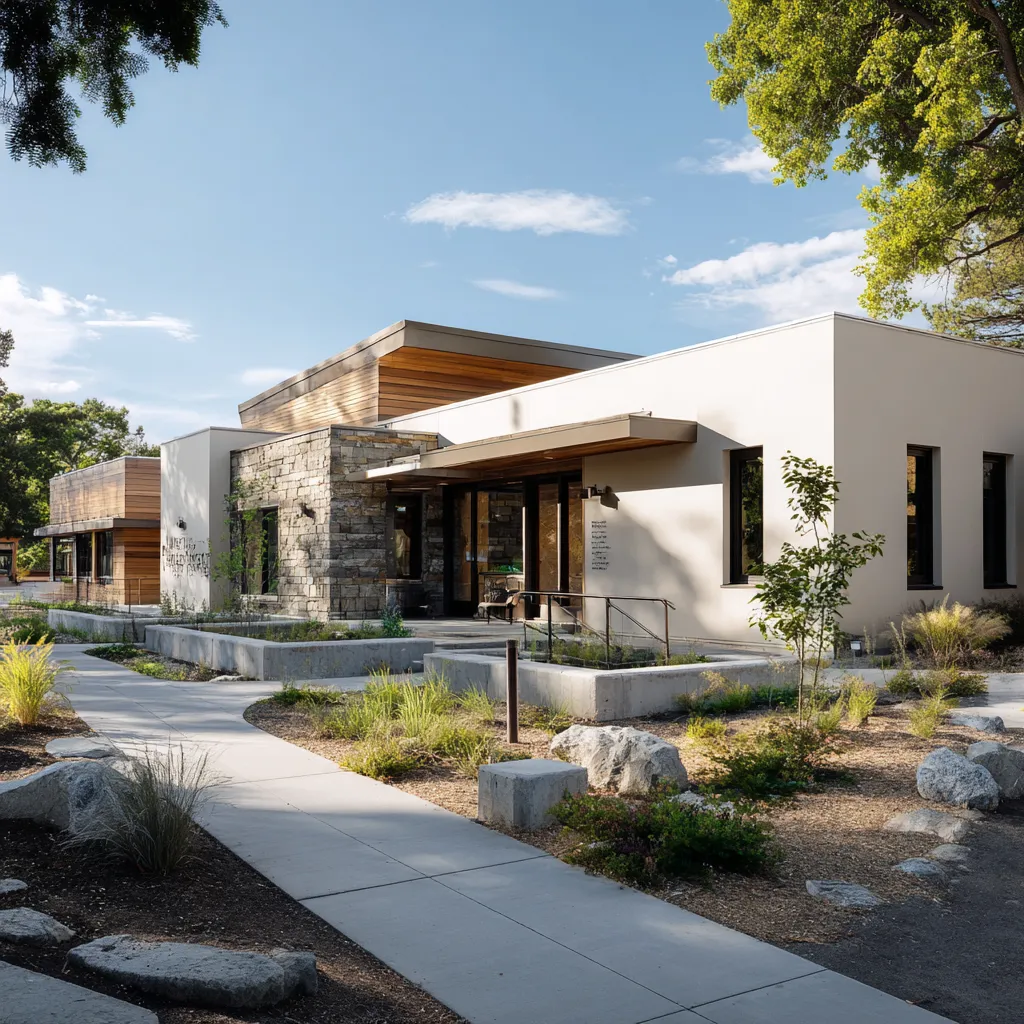
Outpatient care at RBH is structured in three tiers and supports both step-downs from residential and direct admissions from the community.
Partial Hospitalization (PHP)
Two to four weeks of six-hour clinical days, Monday through Friday. PHP suits patients who no longer need overnight care but still need a full therapeutic schedule and ongoing medical oversight.
Intensive Outpatient (IOP)
Eight to twelve weeks of three-hour sessions, three to four days per week. Evening IOP runs 6 to 9 p.m. so Bay Area professionals, parents, and shift workers can continue treatment without leaving their roles.
Standard Outpatient
Weekly individual therapy, monthly psychiatric follow-up, and alumni group access. The maintenance tier that sustains recovery over months and years.
Dual Diagnosis Treatment
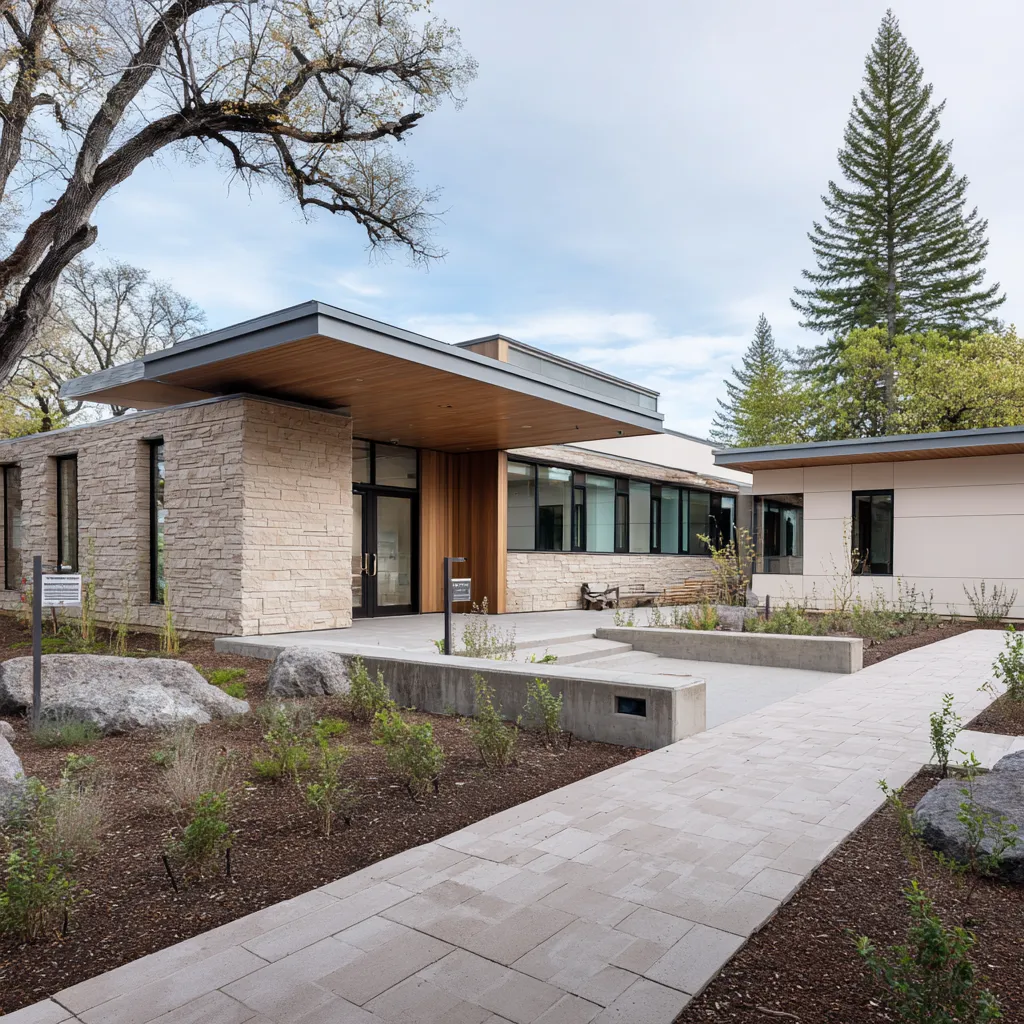
Most patients who arrive at RBH carry more than one diagnosis - depression, anxiety, PTSD, bipolar disorder, ADHD, or unresolved trauma. Treating the addiction alone leaves the underlying architecture intact, which is why every admission receives a psychiatric consult within forty-eight hours.
Dr. Cho and the psychiatric team coordinate with the therapy staff in shared rounds three times per week. Medication adjustments, therapy modality selection, and trauma-focused work are sequenced together so one track does not undercut the other. EMDR, DBT, ACT, and music therapy are all available to dual-diagnosis patients as clinically indicated.
Treatment Modalities
- Cognitive Behavioral Therapy (CBT)
- Individual Counseling
- Group Therapy
- EMDR (Eye Movement Desensitization & Reprocessing)
- Holistic Therapies
- Acceptance and Commitment Therapy (ACT)
- Music Therapy
- Dialectical Behavior Therapy (DBT)
Amenities
- Private Rooms
- Equine Therapy Barn
- Chef-Prepared Meals
- Gymnasium
- Walking Trails
- Computer Lab
- Fitness Center
- Yoga Pavilion
- Outdoor Fitness Area
- Heated Therapy Pool